Explore how vehicle telematics can make fuel activity, routes and driver behaviour easier to review.
Fuel is a significant operating expense for many transport businesses. Without reliable journey and consumption records, teams can struggle to understand where fuel is used and where investigation may be needed.
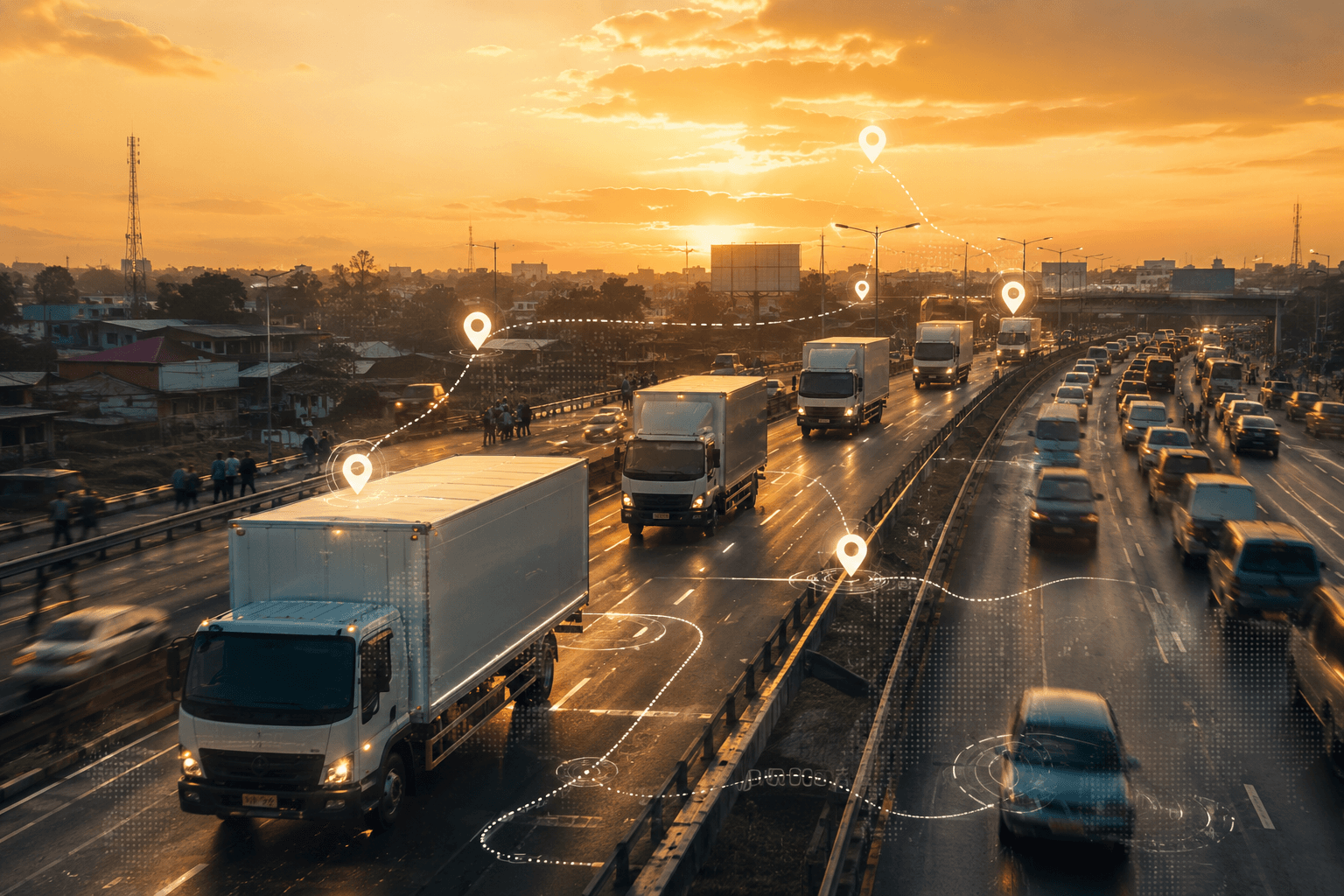
A fleet-tracking project may combine location data with compatible vehicle or fuel inputs. The exact information available depends on the hardware, vehicle interfaces, installation and platform configuration selected for that fleet.
For fleet operators, telematics can provide a shared view of vehicle movement, route activity, fuel information and driver behaviour. Any claimed savings should be supported by customer-approved baseline data, a defined measurement period and a clear methodology.
Cross-border operators face an additional layer of exposure that domestic fleets do not: fuel price arbitrage across the Kenya–Uganda–Tanzania corridor creates a real incentive for drivers to under-report distance, detour to cheaper fuel points, or siphon and resell along the route, all of which are invisible to a business that only reconciles fuel receipts against trip sheets at month end. A tamper-resistant fuel probe combined with continuous GPS trip data closes that gap because the two data sets have to agree, litre for kilometre, on every single leg, not just the ones a manager happens to audit.
The lesson for fleet managers is clear: you cannot manage fuel you cannot see. IoT fleet tracking turns fuel from a black box into a metric your team can improve every week.
Related capability
Fleet & Asset Tracking
GPS and telematics options for vehicle location, route history and asset visibility.